


Lessons From the Hardware Store: Mulch vs. Matches
It’s summer, and it’s time to put down the mulch. There’s a moment that happens every time I go to buy mulch that reminds me of SuperTutors.

Chromebook Backlash! Schools Chose Access. Now They Need Structure.
This is not a rejection of technology. It is a reassertion of control. Technology does not fail on its own. It fails when it is allowed to operate without structure. And in a world now shaped by AI, the margin for error is gone. Schools will have to decide what they value more: scalable access, or reliable learning.
Clarity About Dyslexia: Challenging the Recently Resurrected Myths
Dyslexia has been in the news recently. I have gone back and forth on whether I have a responsibility, as the owner of a tutoring company, to offer my perspective. I’ve taken some time to think it through, and I’ve come to a clear conclusion: I do have a responsibility to chime in.
What Just Happened to the SSAT and the ISEE?
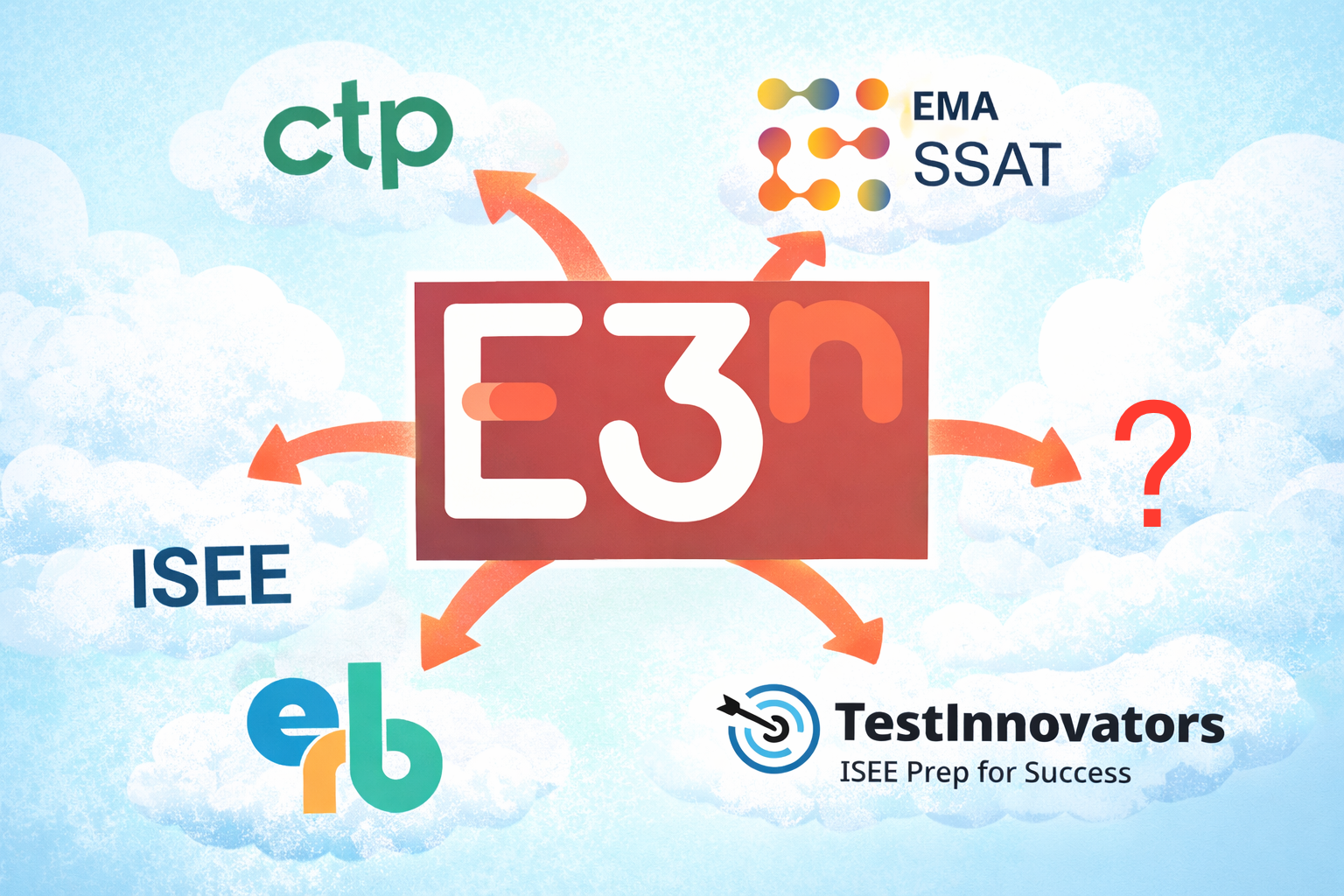
It’s now called E3n, and no, it’s not a character from Call of Duty. It is two organizations who combined their expertise in admissions testing, academic assessment, and enrollment strategy into one organization that can now bring a lot to the table.

Lessons Learned from an NBA All-Star Game Snub
Potential is rarely obvious in the moment. It reveals itself over time, in the hands of those willing to look beyond the numbers and invest in growth.
Today’s SAT Explained: 14 Pressing Questions and the Answers
What has changed most about the SAT in recent years?
A. The test is now taken digitally rather than on paper
B. Students no longer receive question-by-question feedback after the exam
C. Difficulty adjusts based on early performance within each section
D. Prep matters more due to limited post-test diagnostics
E. All of the above
(Answer at the end of the article.)

Lessons Learned from Handshakes
For tutors, offering a figurative handshake means starting each session prepared, attentive, and warm. It means being aware of the student’s energy, adjusting to their pace, and creating an environment where they feel safe taking academic risks. It is not about perfection. It is about presence. A student can tell right away when a tutor is truly with them, rather than simply going through the motions. That awareness is what brings a session to life.

Lessons Learned from Ice Cream
A few days ago, I pulled out Ben & Jerry’s: The Inside Scoop. I read it a few years ago. Its lessons still resonate. The book tells the story of how two childhood friends with no business experience turned a tiny Vermont ice cream shop into one of America’s most recognizable brands by building on values, not spreadsheets. Fred “Chico” Lager’s account captures the messy, funny, idealistic energy that defined Ben Cohen and Jerry Greenfield’s early years: their obsession with quality ingredients, commitment to local sourcing, and belief that business could be a force for good. It shows how they balanced idealism and pragmatism, building a profitable company without losing humor or humanity. Their story demonstrates how social mission can be woven into the core of an organization rather than added as an afterthought.

Lessons Learned from a Pro Wrestler
I am a founder of a tutoring company, I’m a former wrestling fan during my most awkward middle school years in the late ’80s, and I fully recognize that it might seem unconventional (even a little odd) for the owner of a tutoring company to write a blog post about a professional wrestler. But I’m doing it anyway.

Why Many Students Need a Boss: Executive Functioning and the Hidden Struggles of “Working for Yourself”
When students work with an executive functioning coach or academic tutor, they’re often gaining more than just help with math or English. They’re gaining a boss, someone who sets clear expectations, helps create a plan, follows up, and holds them accountable. And students respond.

Yes, Indeed. You Miss the Mark on College Education
What the commercial sets up as irony is actually a subtle form of academic shaming. The implication is that the manager’s degree is irrelevant, maybe even laughable, and that requiring a college degree at all is outdated or elitist. That’s a deeply unfair portrayal of the value of higher education, and it ignores the hard work, discipline, and transferable skills that even (and especially) a dance degree can offer.

Saying “Avoidable Mistakes” Instead of “Careless Errors” — And Why It Matters
“Careless errors” sounds like a character flaw. It implies the student isn’t paying attention, doesn’t care enough, or is simply being lazy. That’s rarely the case.

Is It OK to Trust Your Gut When Deciding on Tutoring?
I’m a firm believer in trusting your gut. Science may not have fully explained why humans have this instinct, but we all know that feeling—the little nudge that says something is off or, conversely, that something just feels right.

Who Gets the Final Say on Tutoring?
While it’s ideal for a child to agree with the decision to seek tutoring, the reality is that sometimes the final call may need to rest with the parent. Parents must approach tutoring as a decision made for their child’s best interests, rather than something the child gets to opt in or out of.

What If Holden Caulfield Received EF Tutoring? (It Would Be Phony...)
If Holden Caulfield had received executive functioning tutoring, it likely would have been a disaster—at least at first.

What Exactly is Executive Functioning?
Think of executive functioning as the brain’s air traffic control system. It decides which tasks take priority, when to switch gears, and how to navigate unexpected changes. When these skills are strong, life feels manageable. When they are weak, even the simplest tasks can become frustratingly difficult.

Navigating the Middle School Years: Win Big! And Lose Big Too. It’s OK.
Name the movie:
Head Valet: To win big you gotta do what?
Carparkers: Lose.
Head Valet: Lose big. What are we doing now?
Carparkers: We're losing big.

The Power of Admitting You Struggle—And How It Can Shape Your New Year’s Resolutions
This willingness to confront difficulty is not just refreshing—it’s essential. Struggle is universal, and acknowledging it is one of the most powerful ways to connect with others.

The Current Tutoring Dilemma: In-Person, Remote, or a Blend of Both?
When it comes to tutoring, the landscape has shifted dramatically in recent years. Once dominated by in-person sessions, the industry has evolved to embrace the flexibility, convenience, and effectiveness of remote learning. For families navigating their options, this change opens the door to exciting new possibilities—but also raises questions about what’s best for their child’s educational journey.
